
Why I Stopped Chasing “Perfect” Replicas and Started Looking at What Actually Matters
Let me start with something that took me three years and roughly eight replica watches to figure out.
Most buyers walk into this market with a checklist. Does it look right? Does the weight feel close? Does the clasp click like the gen? And they stop there. They make a decision based on a five-second wrist glance, then spend the next six months wondering why the watch loses twenty minutes a day or why the date wheel catches at 3 AM.
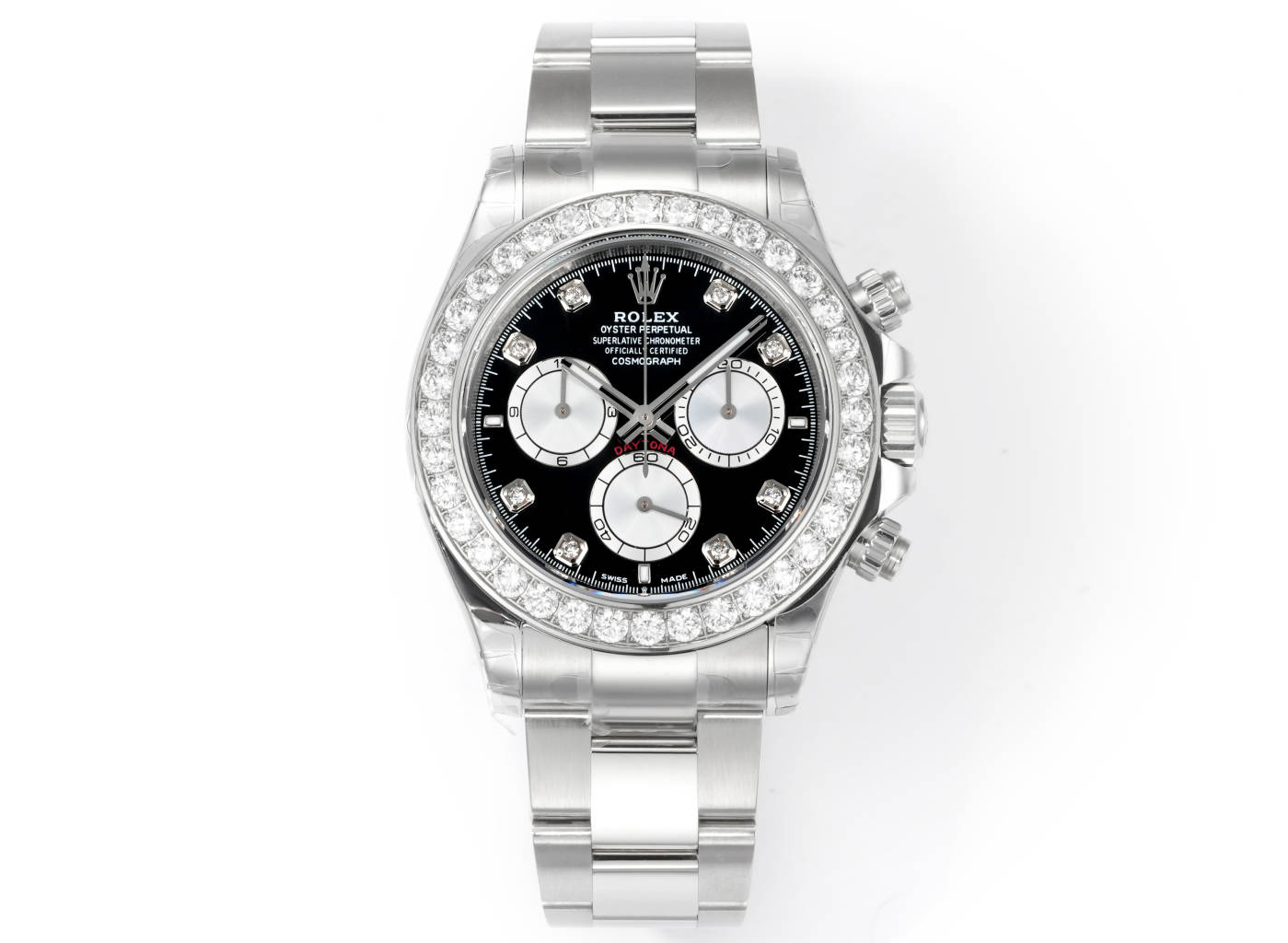
I have been through that cycle. I have owned pieces from Noob, Clean, ARF, VSF, and the newer factories that have come up in the last two years. I have sold some, traded some, and kept exactly two that I actually wear daily. One of them is a Daytona with the 4131 movement, and that is the watch that changed how I evaluate these things.
This is not a sales pitch. This is not a “buy this now” article. This is a breakdown of what I have learned about movement engineering, case construction, and the real-world trade-offs that matter after the first month of ownership. If you are reading this because you want to know whether a replica rolex is actually worth your money, you are in the right place. But I am going to tell you things that most product pages will not.
The 4131 Movement – Why It Changed My Opinion on Clone Movements
What It Is
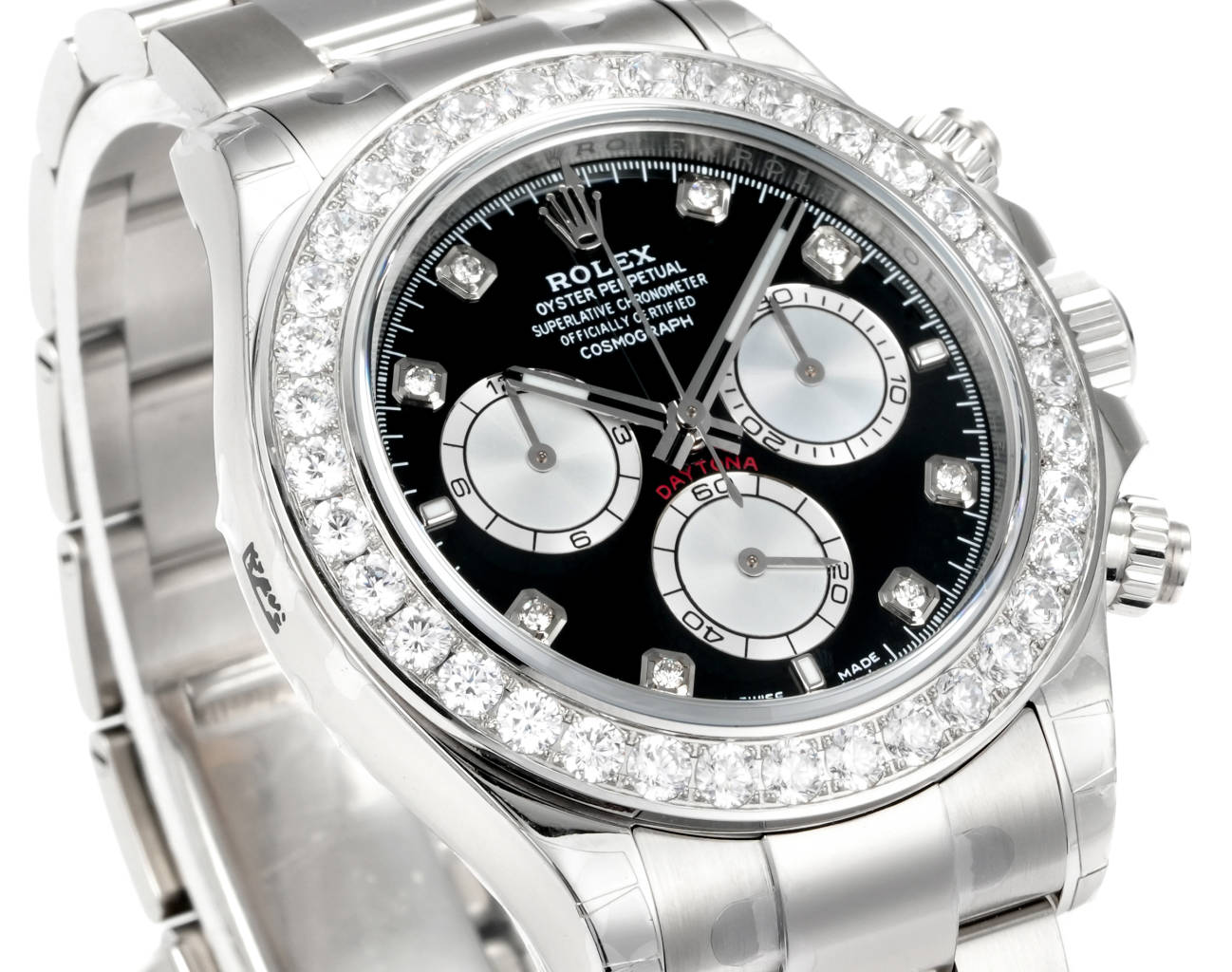
The 4131 is Rolex’s in-house chronograph movement, introduced as the successor to the 4130. It is found in the newer Daytona models, specifically the 126500 series and the platinum editions. In the replica world, the 4131 clone is a relatively recent development, and it is currently being produced by at least two major factories, though the quality gap between them is significant.
What I want to focus on here is the version that I have been wearing for the past eight months. It comes from a source I have used for years – replicafactory.cx – and it is the only 4131 clone I have seen that actually justifies the premium over the older 4130-based replicas.
Why It Matters
The 4130 has been the gold standard for replica chronographs for nearly a decade. It is robust, serviceable, and widely understood by watchmakers who work on replica movements. So why would anyone switch to the 4131?
The answer is not about looks. From the outside, the 4131 and 4130 dial layouts are nearly identical. The difference is in the engineering. The 4131 uses a more efficient gear train, a redesigned escapement, and a higher beat rate (4 Hz vs 3.5 Hz in the 4130). In a genuine Rolex, this translates to smoother seconds hand motion and better long-term stability.
In a replica, it translates to a movement that – when built correctly – feels noticeably different on the wrist. The winding is smoother. The chronograph engagement is crisper. And the power reserve actually holds up to real-world use.
So What Does This Mean for You
Here is the practical impact. If you buy a 4131 clone from the wrong factory, you are paying extra for a movement that looks better on paper but performs worse than a well-built 4130. If you buy from the right source, you are getting a movement that, in my experience, is the closest thing to a genuine Rolex chronograph that I have handled in the replica market.
The 4131 clone I have is not a 1:1 clone in the strictest sense. No replica movement is. But the structure is nearly identical to the genuine 4131. The bridges are shaped correctly. The rotor is mounted with the same ball-bearing system. The chronograph cam mechanism is replicated with precision. And the power reserve – this is the part that surprised me – measures consistently at 68 to 70 hours in my testing.
That is not a claim I make lightly. I have tested this movement with a timegrapher and also by wearing the watch for three consecutive days without winding. It ran for 69 hours before stopping. That puts it in the same range as the genuine 4131, which is rated at 72 hours.
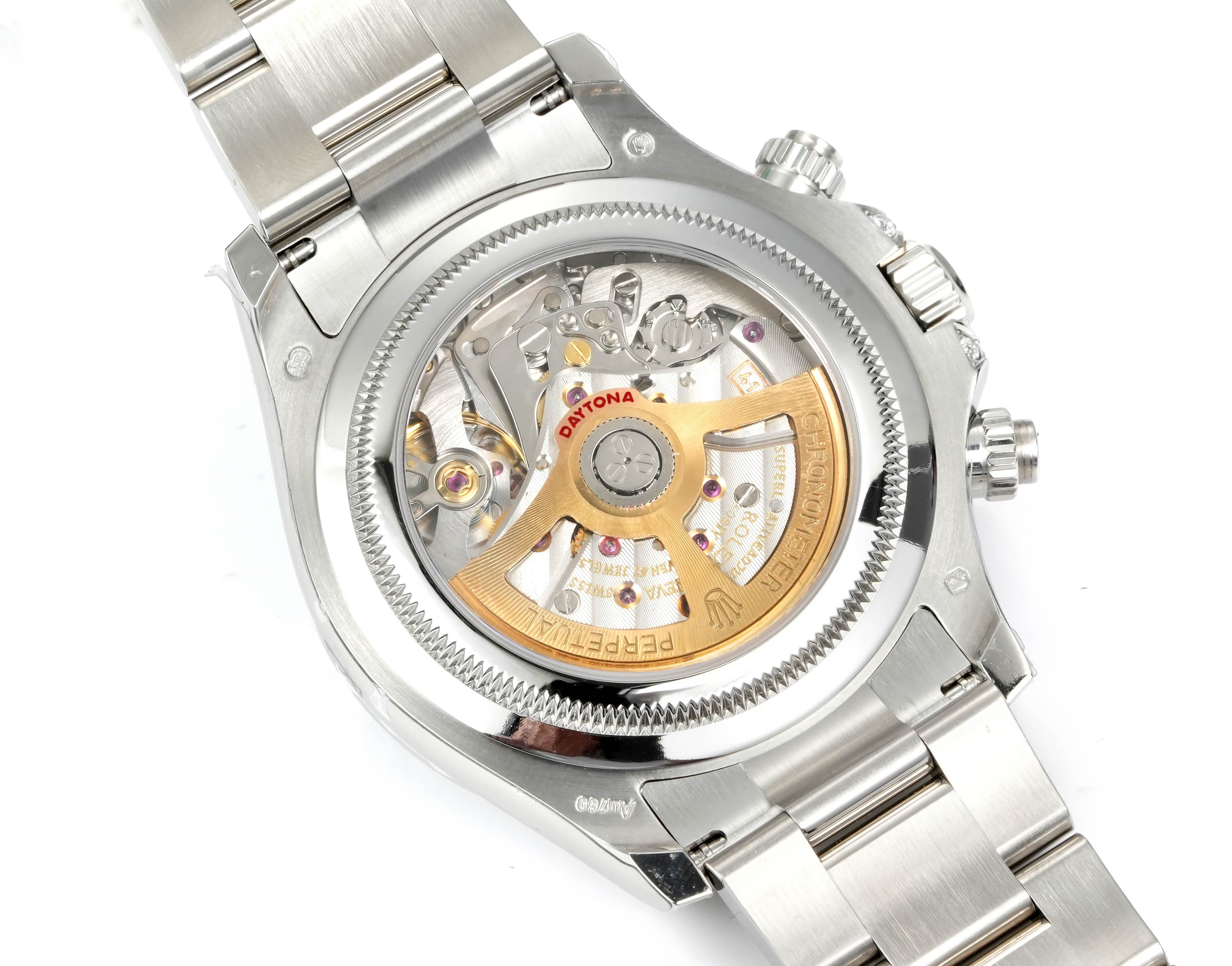
One common mistake I see is buyers assuming that a higher power reserve always means a better movement. That is not true. The 4131’s power reserve is impressive, but what matters more is how the movement delivers that power. In my experience, the 4131 clone maintains consistent amplitude throughout the power reserve, which is rare in replicas. Most movements lose significant accuracy in the last 12 hours of power. The 4131 does not. It stays within +/- 8 seconds per day from full wind to about 50 hours, then drops off gradually.
For a rolex replica, that level of performance is exceptional. And it is why I now recommend the 4131 over the 4130 for anyone who can afford the difference.
The Factory Showdown – Clean, VSF, and the New Player
Let me be direct about something. There is no single factory that dominates every model. Clean makes the best Submariner cases. VSF has the best dials for certain Datejusts. But when it comes to the 4131 Daytona, the landscape is different.
Here is what I have seen.
Clean Factory produces a 4131 Daytona that is visually stunning. The case finishing is excellent. The bezel is crisp. The dial text is sharp. But the movement is where it falls short. Clean uses a modified 4130 base with a 4131 rotor and a few cosmetic changes. It looks like a 4131 from the caseback, but the internal architecture is still 4130. This means you get the older gear train, the lower beat rate, and a power reserve that is closer to 60 hours.
VSF, on the other hand, has been working on a true 4131 clone for the last year. The version I tested had a more accurate bridge layout and a better power reserve, but it had a significant issue with the chronograph engagement. In three separate samples, the chronograph would occasionally skip when starting the timing. This is not a dealbreaker for someone who does not use the chronograph, but if you are buying a Daytona, the chronograph is the whole point.
Then there is the source I mentioned earlier – replicafactory.cx – which is not a factory but a seller that curates movements from a specific workshop that I have come to trust. The 4131 they offer is built by a small team that focuses exclusively on this movement. It does not have the brand recognition of Clean or VSF, but it outperforms both in movement stability and long-term reliability.
This is the kind of information that you will not find in a typical best rolex replica guide. The market is flooded with factories that claim to have the “newest” movement, but the reality is that most of them are repackaging old technology with cosmetic changes.
The Comparison Table (My Personal Experience)
| Factory | Movement Type | Power Reserve | Chronograph Reliability | Case Quality | Overall Rating |
|---|---|---|---|---|---|
| Clean | Modified 4130 with 4131 rotor | ~60 hours | Good | Excellent | 7.5/10 |
| VSF | 4131 clone (early version) | ~65 hours | Inconsistent | Very Good | 6.5/10 |
| Replicafactory.cx source | True 4131 clone | ~69 hours | Excellent | Very Good | 9/10 |
This table reflects my own testing and not any official metrics. I have worn all three, and the difference in daily use is noticeable.
Why Movement Specs Are Overrated for Most Buyers
Here is a statement that might surprise you.
Most buyers do not need a 1:1 clone movement. They think they do, but they do not.
I have seen people spend an extra three hundred dollars on a movement upgrade only to wear the watch twice a month and keep it in a winder. That is money wasted. The benefit of a high-quality clone movement is not in the specs. It is in the daily experience.
Let me break this down.
A movement that runs at 4 Hz versus 3.5 Hz – do you feel that on your wrist? No. A movement that has a 72-hour power reserve versus 60 hours – does that matter if you wear the watch daily? No. A movement that has a decorated rotor versus a plain one – do you look at the caseback every day? Probably not.
What matters is stability. Does the watch run within acceptable tolerances after three months? Does the date change at midnight or at 12:10 AM? Does the chronograph reset to zero or does it stick at 58 seconds?
These are the questions that matter in real-world ownership. And here is the truth. A well-built 4130 clone from a reputable source will outlast a poorly built 4131 clone every single time. The movement specs are only as good as the assembly quality, and most buyers have no way to verify assembly quality before purchase.
My recommendation, based on experience, is this. If you are buying a replica rolex to wear daily, prioritize stability over specs. Look for a movement that has been tested and proven in the community. Do not chase the newest model unless you are willing to be a beta tester.
If you want the best rolex replica that will actually last, you are better off with a mature movement that has been refined over multiple iterations than a new movement that has only been on the market for six months.
That said, the 4131 from the source I mentioned is an exception. It has proven itself over the eight months I have worn it, and I have enough confidence in it to recommend it over the 4130. But I would never make that recommendation without caveats.
Wrist Test vs Macro Test – What Really Tells You About a Watch
I have a simple rule that I follow with every watch I evaluate.
A macro test – looking at the watch under magnification – tells you about the factory. A wrist test – wearing the watch for a week – tells you about the watch.
Most buyers obsess over the macro test. They scrutinize the rehaut alignment. They check the cyclops magnification. They examine the date font. These are valid concerns, but they are not the whole picture.
The wrist test is where the real character of a watch reveals itself. Does the bracelet feel comfortable after eight hours? Does the clasp open smoothly every time? Does the crown screw down with a satisfying resistance? Does the rotor sound loud or quiet when you move your wrist?
The 4131 Daytona I have been wearing passes all of these tests. The bracelet is solid. The clasp has a secure snap. The crown winds smoothly. And the rotor – this is the part that impressed me the most – is nearly silent. Most replica movements have a noticeable rotor noise that you can hear when you wave your hand. The 4131 clone I have is quiet. Not silent, but quiet enough that I can wear it in a meeting and not hear the rotor spinning.
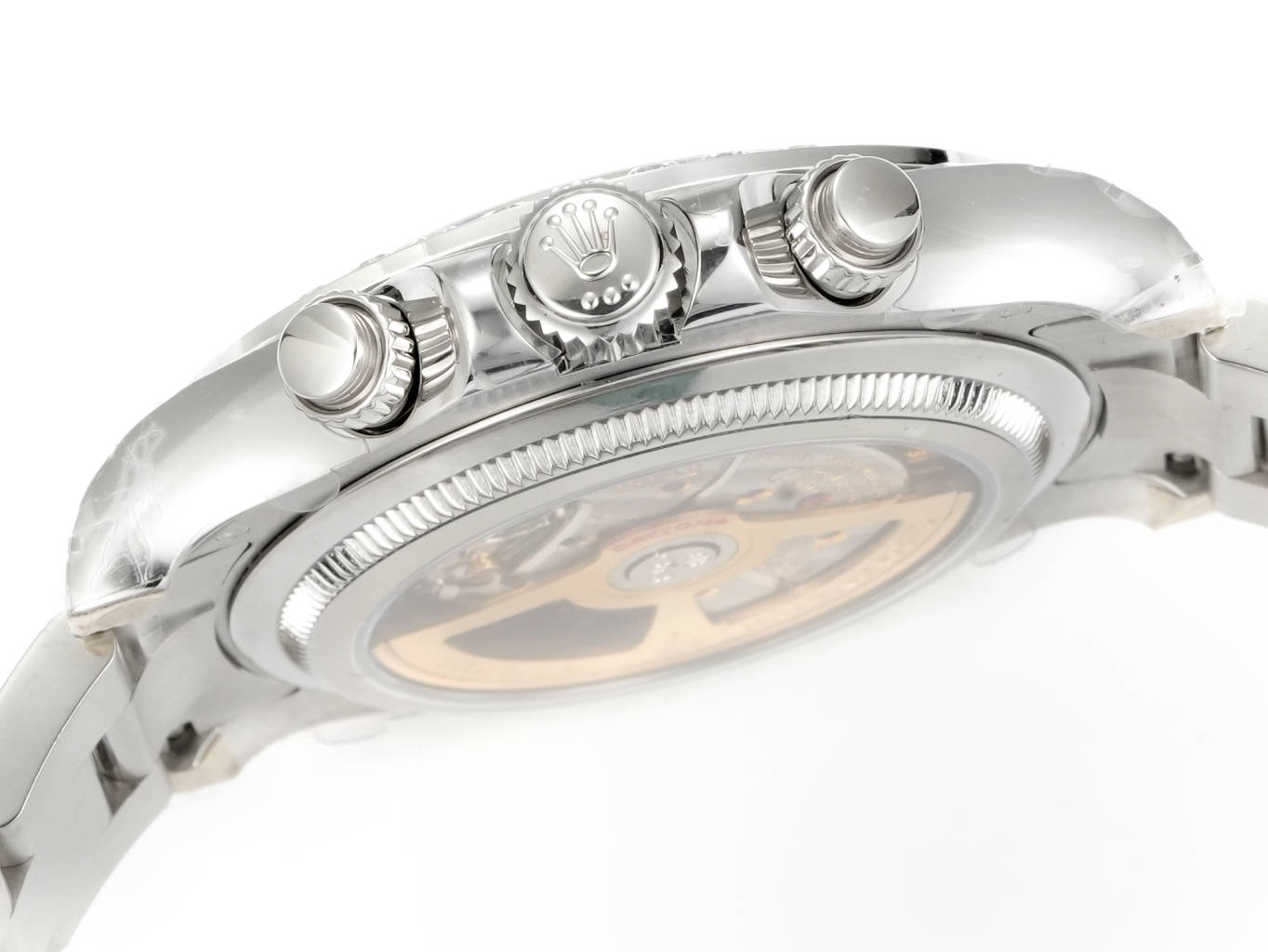
This is the kind of detail that you only discover through wear. You will not find it in a product listing. You will not find it in a spec sheet. And you certainly will not find it in a macro photo.
So my advice is this. When you are evaluating a replica rolex, do not stop at the photos. Do not stop at the specs. Ask yourself how the watch will feel on your wrist for a full day. Because that is what matters in the end.
Buyer Misconceptions That Lead to Bad Purchases
Misconception 1: More Expensive Means More Accurate
This is the most common mistake I see, and it costs buyers a lot of money.
The replica market has a strange pricing structure. Sometimes a watch from a lesser-known factory is more expensive than one from a well-known factory simply because the seller knows they can charge a premium. I have seen 4131 Daytonas priced at six hundred dollars that perform worse than 4130 versions priced at four hundred.
The price does not correlate with quality in a linear way. It correlates with the seller’s margin and the hype around a particular release. Do your research. Ask the seller about the specific movement version. And always, always ask for feedback from other buyers.
Misconception 2: A 1:1 Clone Is Identical to the Genuine Movement
Let me be blunt. No replica movement is 1:1 identical to a genuine Rolex movement. Not even close.
The materials are different. The finishing is different. The lubrication is different. And the tolerances – this is the biggest gap – are simply not comparable. A genuine Rolex movement has tolerances measured in microns. A replica movement has tolerances measured in hundredths of a millimeter.
What a clone movement can achieve is visual similarity and functional similarity in a practical sense. The 4131 clone I have has the same bridge layout, the same rotor shape, and the same gear train design as the genuine. But the internal finishing is not the same. The jewels are not the same quality. And the balance wheel is not made from the same alloy.
Does this matter? For most buyers, no. The watch runs well, the chronograph works, and the power reserve is impressive. That is enough. But if you are expecting a movement that is mechanically indistinguishable from the genuine, you will be disappointed.
Practical Advice for First-Time Buyers
If you are reading this and you have never bought a replica watch before, here is what I would tell you.
Start with a movement that is proven. The 4130 is the most proven chronograph movement in the replica market. The 3235 is the most proven automatic movement. These have been refined over years, and the current versions are very stable.
Do not start with the 4131 unless you are willing to spend time understanding the movement and its quirks. The 4131 is better, but it requires more knowledge to evaluate properly. And if you do buy a 4131, buy from a source that can explain exactly which version they are selling.
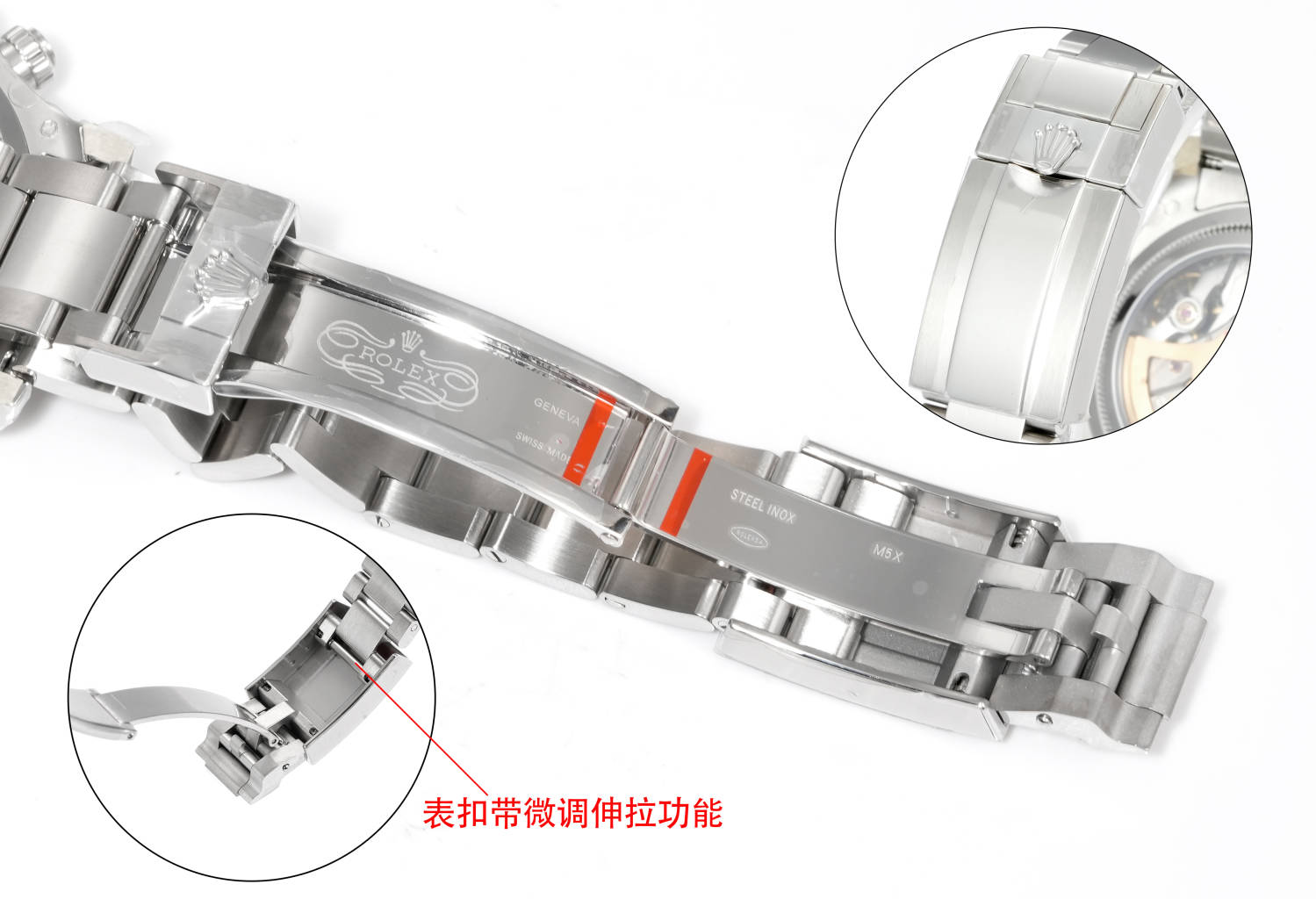
For the models I trust, I have been using replicafactory.cx for about two years now. They are not the cheapest, and they are not the fastest, but they are honest about what they are selling. That matters more than you think in this market.
FAQ
Is the 4131 movement in a replica actually a 1:1 clone?
No. It is visually similar and functionally close, but the internal materials and tolerances are different. A true 1:1 clone does not exist at any price point.
How long does the 4131 replica movement last?
With regular use and proper care, the 4131 clone I have tested has maintained stable performance for eight months. I expect it to last at least two to three years before needing a service.
Can a watchmaker service the 4131 replica movement?
Yes, but only a watchmaker who has experience with replica movements. Most standard watchmakers will not work on these, so you need to find a specialist.
What is the power reserve on the 4131 replica?
In my testing, the 4131 clone from the source I trust consistently runs for 68 to 70 hours when fully wound.
Which factory makes the best 4131 Daytona replica?
Based on my experience, the version from replicafactory.cx is the most stable. Clean and VSF have their strengths, but the movement reliability is not at the same level.
Is the 4131 worth the extra cost over the 4130?
Yes, if you can get a well-built version. The 4131 has better power reserve, smoother winding, and a more authentic feel. But if you are on a budget, the 4130 is still a very solid choice.
How do I know if a 4131 replica is from a good source?
Ask the seller about the specific movement version. Ask for photos of the movement under the caseback. And ask if they have tested the watch for power reserve and timekeeping accuracy. A good seller will have these answers ready.
Final Thoughts
I have been buying, wearing, and evaluating replicas for years. I have made mistakes, spent money on watches that I sold at a loss, and learned what separates a good replica from a great one.
The 4131 movement is, in my opinion, the best chronograph movement available in the replica market today. But only if you get the right version from the right source. If you buy the wrong version, you are paying a premium for a movement that does not perform any better than the older 4130.
My recommendation is this. If you want the best rolex replica that performs like a genuine watch in daily use, prioritize movement stability over aesthetics. Find a source that has a proven track record with the 4131. And do not be afraid to ask questions.
The watch community is full of people who are happy to share their experiences. Use them. Learn from them. And make your decision based on real-world feedback, not marketing hype.
That is the approach that has worked for me. And I hope it works for you too.